Shoe Designed with Flowers Applique
A Delicate Yet Distinctive Embroidery Statement
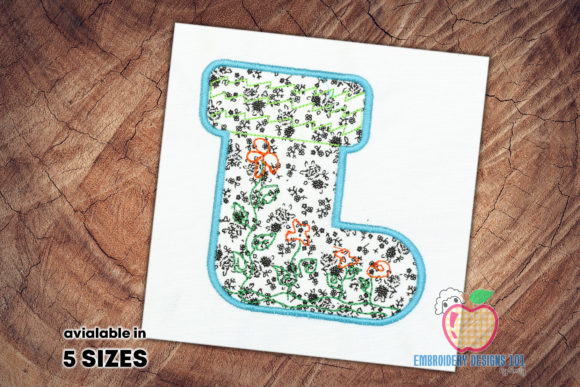
First glance at Shoe Designed with Flowers Applique tells you it’s not just decorative—it’s narrative. The silhouette of a classic low-top shoe is softened and elevated by floral appliqué elements that bloom along the toe, wrap gently around the heel, and trail delicately toward the laces. It reads as whimsical but grounded, feminine without being fussy, and handmade without looking amateurish. As an embroidery designer who’s stitched hundreds of accessory-focused motifs, I immediately sensed its sweet spot: personalized gifts and boutique accessories where charm and craftsmanship must coexist.
Where This Applique Design Truly Shines
I tested Shoe Designed with Flowers Applique on a natural linen tote bag—sturdy but breathable—and the result was unexpectedly cohesive. The satin-stitched petals held crisp definition, while the appliqué base added subtle dimension without bulk. It felt intentional, not “cute for cute’s sake.” That same design translated beautifully onto a lightweight cotton apron for a local bakery client: the floral shoe motif became a quiet signature, reinforcing brand warmth without shouting.
For Etsy sellers and small shop owners, this is exactly the kind of embroidery file that elevates a standard product into a story-driven handmade product. Think baby shoes (embroidered on soft cotton booties), nursery wall hangings, or even holiday embroidery on tea towels—where the shoe becomes a subtle nod to new beginnings or childhood nostalgia. It also works well as an embroidered patch, especially when backed with iron-on adhesive for easy application on denim jackets or backpacks.
The color-separated steps make it adaptable across machines, which matters when you’re juggling client deadlines on a Brother, Janome, and commercial Tajima in one week. And because it’s built as an applique design, it avoids overloading thin fabrics with dense fill stitch—ideal for sweatshirt embroidery on lightweight French terry or baby embroidery on gauzy muslin.
Where Caution Is Warranted
This isn’t a one-size-fits-all machine embroidery design. Its charm lives in detail—so avoid cramming it into a 3” hoop unless you’re willing to scale down thoughtfully. On curved surfaces like caps or structured hats, the floral curves can distort if hooping isn’t precise. I recommend testing on scrap fabric first, especially with stretchy knits: stabilizer choice is non-negotiable here. A medium-weight cutaway works best for apparel; tear-away suffices for stable woven fabrics like linen or quilting cotton.
Dark fabric demands attention too. While the design includes clear color breaks, some inner petal details rely on subtle satin stitch directionality—those can vanish on black or navy without high-contrast thread colors. Always check your thread colors against the base fabric in natural light, not just on screen. And if you’re planning frequent washing—say, for kids’ items or kitchen towels—confirm that the appliqué edges are fully secured with tight satin stitch borders. Loose raw edges won’t survive more than two gentle cycles.
How It Shapes Perception—Before and After Stitching
Customers don’t buy stitches—they buy feeling. Shoe Designed with Flowers Applique delivers that quietly. On a personalized gift—a monogrammed pillow cover with the shoe nestled beside a name—it reads as tender and considered. On a small shop product like a limited-run canvas pouch, it signals care in curation, not just production. That perception directly impacts customer trust and buyer engagement, especially for craft businesses where differentiation is everything.
It also supports brand consistency without locking you into rigidity. You can rotate thread palettes seasonally—mint and cream for spring, terracotta and oat for fall—while keeping the same core design assets. That flexibility makes it valuable for digital product sellers building themed embroidery bundles or printable mockups for social media previews.
Practical Designer Notes You’ll Actually Use
- Always test first: Run Shoe Designed with Flowers Applique on scrap fabric matching your final project’s weight, weave, and stretch.
- Stabilizer isn’t optional: Use cutaway for knits, tear-away for wovens, and fusible web for appliqué layers if your machine supports it.
- Check stitch density visually: Zoom in on your embroidery software. Areas where petals overlap should have balanced fill stitch—not so dense they pucker, not so sparse they look transparent.
- Confirm hoop size early: Don’t assume it fits your standard 4x4. Measure the design dimensions in your software before loading.
- Review small details: Laces, stamen lines, and leaf veins are often rendered in running stitch—verify those hold up at your intended size.
- Mock it both ways: Preview the digital embroidery file on light and dark backgrounds. What reads clearly on white may disappear on charcoal.
- Licensing matters: Since this is marketed as a commercial embroidery asset, verify whether resale of finished items or redistribution of the file is permitted—especially if you’re an Etsy seller or digital product creator.
Final Thought: Not Just a Design—A Conversation Starter
Shoe Designed with Flowers Applique doesn’t shout. It invites. Whether stitched on a baby’s onesie, a boutique’s custom tote, or a holiday embroidery gift set, it carries quiet confidence—the kind that comes from thoughtful composition and intentional simplicity. For designers and makers who value clarity over clutter, and charm over cliché, it’s a reliable, versatile, and quietly memorable addition to your embroidery project toolkit. Just remember: its strength lies in how you frame it—not just how you stitch it.