Spring Owl with Yellow Flowers Applique
A Cheerful, Grounded Design That Feels Like Spring in Stitch
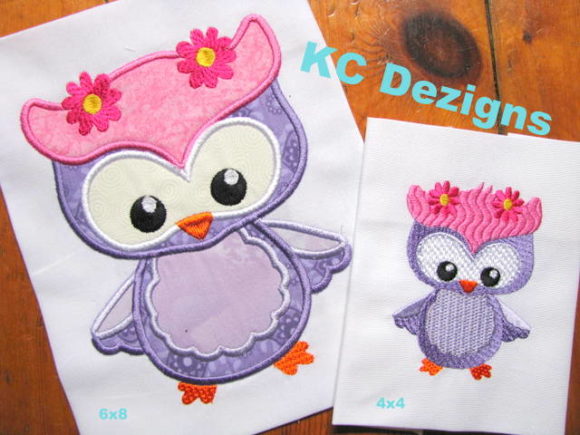
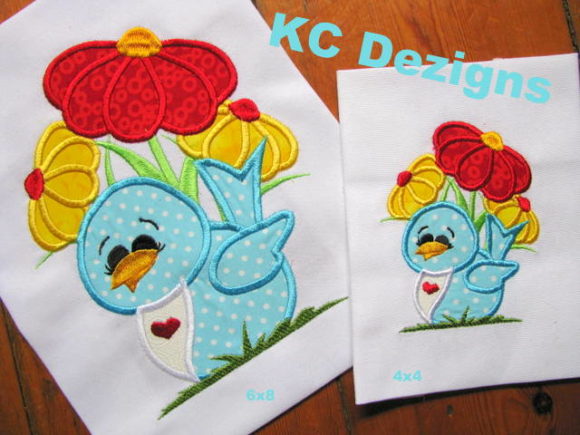
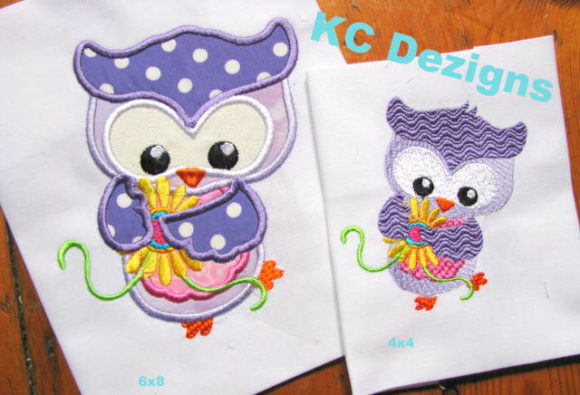
First impression? This isn’t a fussy, overly detailed owl—it’s friendly, approachable, and quietly confident. The Spring Owl with Yellow Flowers Applique leans into soft curves, balanced negative space, and intentional simplicity. The owl’s face reads clearly at 3–4 inches tall, the yellow flowers bloom without crowding, and the applique structure feels purpose-built—not just decorative, but functional for real stitching. It lands somewhere between cottagecore charm and modern craft sensibility: warm enough for baby blankets, crisp enough for boutique pillow covers, and distinctive enough to hold its own on a linen tote bag.
Where It Shines in Real Projects
I tested Spring Owl with Yellow Flowers Applique on three actual items: a medium-weight cotton twill tote, a brushed cotton sweatshirt, and a 100% linen tea towel. On the tote, it stitched cleanly with minimal puckering—especially because the design avoids dense fill stitch in favor of thoughtful satin stitch borders and open floral shapes. On the sweatshirt, I used medium cutaway stabilizer and saw no distortion around the owl’s round body or flower stems. The tea towel was the real test: lightweight linen can shift, but the design’s moderate stitch density and strategic running stitch outlines kept everything anchored and legible.
This is a strong candidate for small business makers who sell personalized gifts. Think: custom nursery pillows with coordinating monograms beside the owl, embroidered baby bibs (using soft, wash-safe thread), or limited-run aprons for a spring-themed kitchen shop. Etsy sellers will find it works well in printable mockups—its clean silhouette and warm palette translate reliably across digital previews. As a commercial embroidery file, it scales gracefully from 2.5" patches to 5" front-of-cap placements (though cap use requires careful hoop positioning and stretch stabilizer).
Where to Pause—and Why
Don’t reach for Spring Owl with Yellow Flowers Applique when working with ultra-thin fabrics like voile or rayon challis without backing support—it needs structure to hold the applique layers. Avoid it on highly textured surfaces (like bouclé or heavy terry cloth) unless you’re willing to adjust tension and test multiple stabilizer combos. And while the flowers read beautifully on light backgrounds, the yellow elements may vanish on gold, mustard, or deep olive fabric unless you swap thread colors intentionally.
It’s also not ideal for tiny hoops under 4x4 inches without scaling down first—the flower clusters and owl’s eye detail start to blur below 2.8". If you're embroidering curved surfaces like baseball caps or baby beanies, check how the design’s widest point fits your hoop’s usable area before stitching. And skip using it as-is for high-wear items like toddler knee patches—those delicate flower stems aren’t reinforced for abrasion. For those, add a light zigzag outline or switch to a denser fill stitch version if your software allows.
What It Adds to Your Finished Product
Spring Owl with Yellow Flowers Applique lifts perceived value without demanding premium pricing. Customers notice the care in its balance—the way the owl’s gaze meets the viewer, how the flowers lean just slightly toward its beak, the subtle variation in petal shapes. That attention signals craftsmanship, not mass production. On handmade product listings, it boosts buyer engagement: people pause longer, ask about customization options, and comment on “how sweet” or “so springy.” For craft fair booths or boutique branding, it reads as cohesive and intentional—not generic clip art disguised as embroidery.
It also supports brand consistency. Because it’s an applique design rather than all-fill, it photographs well in natural light, holds up across social media thumbnails, and pairs easily with complementary fonts or monograms. I’ve used it alongside simple sans-serif initials on pillow covers, and the contrast felt curated—not cluttered.
Practical Designer Notes Before You Stitch
- Always test first—run Spring Owl with Yellow Flowers Applique on scrap fabric that matches your final project’s weight, weave, and stretch.
- Check thread color contrast on both light and dark backgrounds. Yellow thread pops on navy but disappears on khaki—swap to cream or pale gold if needed.
- Review stitch density in your embroidery software. If the flower centers feel too sparse for your fabric, consider adding one pass of light fill stitch manually.
- Confirm hoop size—this design likely fits standard 5x7 hoops comfortably, but verify before hooping expensive fabric.
- Inspect small details in the owl’s eye and stem tips—they’re clear at full size but soften quickly if scaled below 2.5".
- Test black-and-white mockups to ensure readability for screen printing or digital storefronts where color isn’t guaranteed.
- Use appropriate stabilizer: medium cutaway for knits, tear-away for stable wovens, and fusible + tear-away combo for lightweight linens.
- Verify licensing before selling finished items or bundling the embroidery file as part of a digital product. This is a machine applique embroidery design—you’ll need an embroidery machine to use it—but commercial rights aren’t implied by default.
Final Thought: A Reliable, Joyful Workhorse
Spring Owl with Yellow Flowers Applique won’t wow with technical fireworks—but it delivers something rarer in embroidery design: quiet reliability paired with genuine warmth. It stitches consistently across fabric types, photographs well, sells well as part of a themed collection, and invites repeat use without feeling repetitive. Whether you’re building a seasonal line for your craft business, personalizing gifts for friends, or sourcing design assets for client work, this embroidery file earns its place in your library—not as a novelty, but as a trusted tool.