Spring Pot with Flowers
A Fresh, Feminine Appliqué That Elevates Boutique Apparel
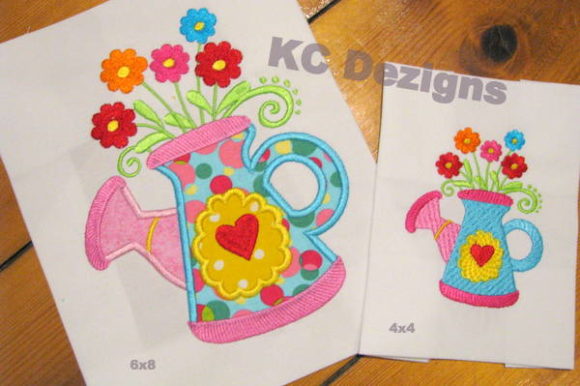
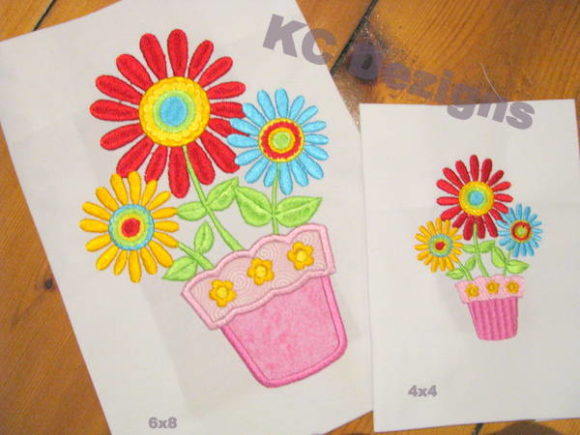
As an embroidery designer who’s developed collections for small clothing brands and Etsy sellers for over a decade, I approach every Creative Fabrica embroidery file with two questions: “Does it translate well to apparel?” and “Will it hold up in production without compromising brand polish?” When I first opened Spring Pot with Flowers, I felt immediate visual alignment—it’s cheerful without being cutesy, detailed without feeling fussy, and distinctly seasonal without locking you into one aesthetic. This machine appliqué embroidery design carries a gentle, hand-painted charm: soft petal curves, layered foliage, and a grounded ceramic pot that adds subtle texture. It reads as premium at 4–5 inches wide—ideal for chest placement on sweatshirts or centered back designs on oversized hoodies.
How Spring Pot with Flowers Performs Across Apparel Types
For sweatshirt embroidery, this design shines on mid-weight cotton-blend fleece. Its balanced stitch density avoids stiffness while maintaining crisp definition—especially important when stitching over ribbed cuffs or curved shoulder seams. On neutral heather gray or oatmeal sweatshirts, the floral contrast pops beautifully with just two thread colors: a warm terracotta for the pot and a muted sage-to-lavender gradient in the blooms. On dark garments like charcoal or navy hoodies, I recommend switching to high-contrast thread—ivory stems, deep plum petals, and antique gold for the pot rim—to preserve legibility and dimension.
The design works equally well as a hoodie chest placement (3.8"–4.2" width), a delicate sleeve accent (scaled to 2.5"), or a bold back design on relaxed-fit crewnecks. I tested it on a lightweight denim jacket—and was surprised by how gracefully it handled the fabric’s slight stiffness and irregular weave. The appliqué base layer anchors cleanly, and the satin-stitched petals retain shape even after light wear and washing. For tote bags and cozy seasonal outfits (think matching lounge sets or spring picnic ensembles), Spring Pot with Flowers adds consistent, lifestyle-friendly branding—soft enough for Instagram flat lays, distinct enough to build product recognition across your boutique brand.
Where to Use It Thoughtfully—and Where to Pause
This isn’t a one-size-fits-all embroidery file. Because it includes fine stem work and overlapping petal layers, avoid placing Spring Pot with Flowers directly over high-stretch zones like side seams or underarm gussets unless you reinforce with cutaway stabilizer. On ribbed fabric (like textured French terry), test stitch density first—the design’s moderate fill areas can sink slightly if stabilizer isn’t matched precisely to fabric weight. Likewise, skip tiny chest placements under 3": the pot’s base detail loses clarity, and delicate leaf veins blur at smaller scales.
It also doesn’t scale down well for tiny lettering or monogram pairings—this is a standalone motif, not a supporting element. And while it photographs beautifully in printable mockups and social media graphics, remember: its strength lies in tactile presence. The appliqué edge gives depth no digital filter can replicate—so always prioritize real-world testing over screen-only judgment.
Design Impact Beyond the Stitch
What makes Spring Pot with Flowers especially valuable for Etsy sellers and small shop products is its quiet versatility. It supports brand identity without shouting—it’s feminine but not saccharine, seasonal but not disposable. Customers recognize it across your product line: same motif on a linen tote, a cropped hoodie, and a limited-run tee. That consistency builds trust. When buyers see the same carefully stitched pot across multiple items, they subconsciously associate your shop with intentionality and craft—not mass production.
In commercial embroidery terms, it helps differentiate your custom apparel from generic florals. Unlike clip-art-style roses or symmetrical daisies, this design has asymmetry, organic spacing, and implied movement—details that signal professional digitizing. That perception lifts perceived value: shoppers pay more for pieces that feel handmade, not algorithm-generated. And because it’s rooted in spring—but not overly literal (no bunnies, eggs, or pastel overload)—it stays relevant through early summer, extending your seasonal collection’s shelf life.
Practical Designer Notes Before You Stitch
- Always test on scrap fabric—especially if using fleece, brushed cotton, or textured knits. Note how the appliqué edge settles and whether topstitching catches cleanly.
- Match stabilizer to fabric texture: medium-weight cutaway for sweatshirts, tear-away + topping for smooth cotton tees, and fusible + cutaway for denim jackets.
- Review thread color contrast before digitizing for darks or neons—some shades listed in the Creative Fabrica embroidery preview may shift on garment dye lots.
- Confirm hoop size before ordering—appliqué files often require larger hoops than standard satin-stitch motifs. Check the product details page for exact dimensions.
- Inspect stitch density visually in your embroidery software: look for dense clusters around the pot rim or petal overlaps that might cause puckering on lightweight knits.
- Test on similar garment fabric, not just quilting cotton—thread tension and feed dog behavior change dramatically between stable weaves and stretchy knits.
- Compare placement options in mockup tools: center-chest, left-chest, sleeve cuff, and lower-back all yield different brand impressions—choose based on your target customer’s styling habits.
- Review Creative Fabrica licensing terms before selling finished apparel—some machine embroidery designs permit commercial use only with attribution or volume limits.
Ultimately, Spring Pot with Flowers is more than a seasonal embroidery file—it’s a thoughtful, production-ready asset for creators building a recognizable, quality-driven boutique brand. It invites warmth, craftsmanship, and quiet confidence into every piece it touches. Just give it the attention it deserves: test, refine, and let the stitches speak for themselves.