Flowers Mother’s Day Embroidery Design
A Designer’s First Look: Charm, Clarity, and Emotional Resonance
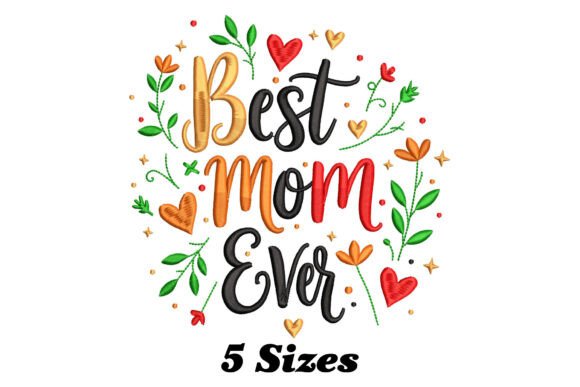
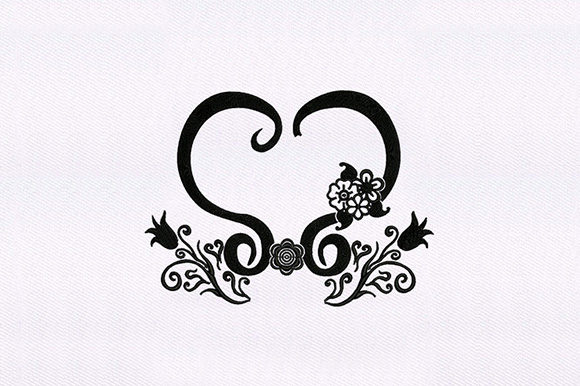
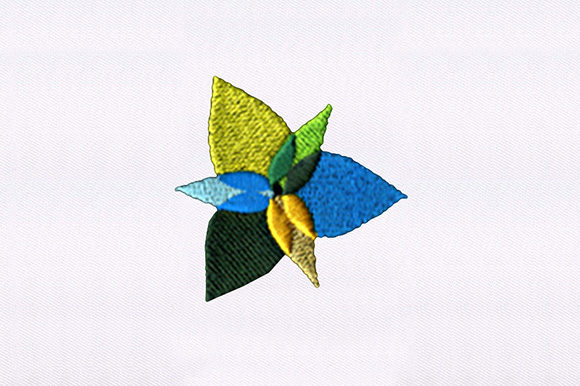
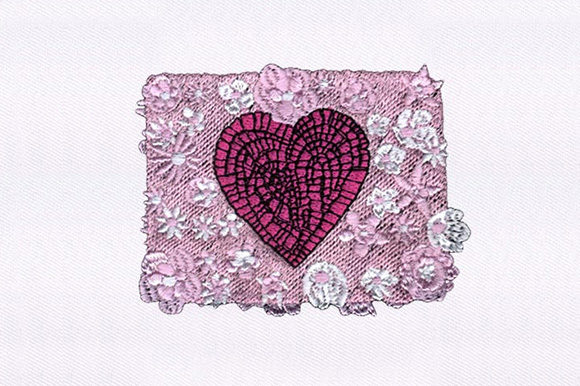
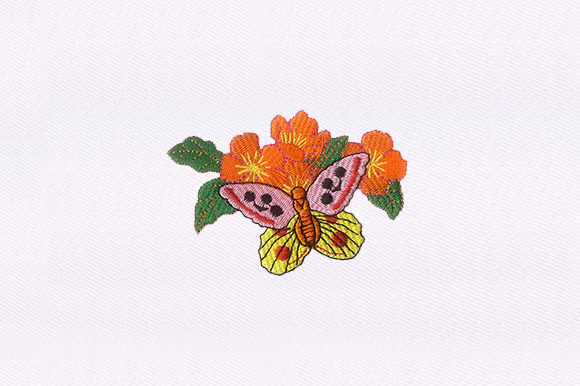
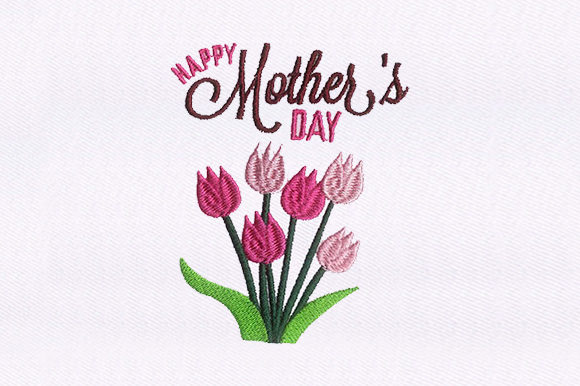
Opening Flowers Mother’s Day for the first time, I felt that quiet spark every seasoned embroidery designer recognizes—the kind that says, “This will connect.” It’s not overly ornate or trend-chasing; instead, it balances soft botanical detail with clean line work. Think gentle curving stems, subtly layered petals, and a light, airy composition—not fussy, not stiff, but undeniably warm. It reads as both timeless and tender: classic enough for a grandmother’s linen handkerchief, modern enough for a minimalist tote bag sold on Etsy. The mood is quietly romantic, gently seasonal, and deeply personal—ideal for customers seeking sincerity over spectacle.
Versatile by Design: Where This Machine Embroidery Design Truly Shines
Flowers Mother’s Day isn’t just another floral motif—it’s a flexible storytelling tool across personalized gift categories. As a baby embroidery piece, it nestles beautifully in the corner of a receiving blanket or along the hem of a onesie (when sized appropriately and stabilized well). For wedding gifts, it elevates a linen pillow cover or monogrammed handkerchief with heirloom softness—no lace required. On kitchen towels? Absolutely. Its open structure avoids heavy saturation, so the embroidered towel stays absorbent and dries quickly. Nursery decor benefits too: stitched onto a cotton wall hanging or muslin crib bumper, it adds warmth without visual clutter.
I’ve also used Flowers Mother’s Day successfully on aprons for small-batch bakeries, custom totes for local mom-owned shops, and even as subtle accents on quilted baby blankets. Its balanced scale means it works equally well centered on a 12” hoop or scaled down for a delicate collar detail. For craft fair sellers and Etsy sellers, this design supports strong product photography—its clarity translates beautifully in natural light, helping handmade product listings stand out in crowded feeds.
Where to Proceed with Care: Real-World Embroidery Considerations
While Flowers Mother’s Day is highly adaptable, thoughtful execution matters. Avoid placing fine inner details—like thin stem lines or small petal edges—on heavily textured fabric (e.g., terry cloth bath towels) unless you increase stabilizer layers and reduce stitch density slightly. Thick, plush towels demand testing: what reads as graceful on cotton may blur or sink on dense loops. Likewise, stretchy baby clothes (knits, jersey) require cutaway stabilizer and careful hooping—never skip the test stitch on scrap fabric before committing to the final garment.
Curved surfaces—think mugs with fabric sleeves or rounded pillow forms—can distort delicate curves if not digitized with contour compensation. Since the file includes multiple formats (10O, ART, CND, DSB, DST, DSZ, EXP, HUS, JEF, PCS, PEC, PES, TAP, VIP, VP3, XXX), always confirm your machine’s native format and verify how the design behaves when resized. And yes—dark fabric demands extra attention: check thread color contrast in your digital embroidery file preview and run a printable mockup to ensure legibility before stitching.
Why This Design Builds Trust—and Drives Sales
In my years designing for small shops and handmade sellers, I’ve learned that emotional resonance directly impacts perceived value. Flowers Mother’s Day feels intentional, not generic. That signals care to buyers—especially those purchasing personalized gifts for milestone moments. When a customer orders a custom embroidered blanket with this design, they’re not just buying thread and fabric; they’re investing in memory-making. That trust translates into fewer returns, more repeat orders, and stronger word-of-mouth referrals.
For Etsy sellers and small shop owners, using Flowers Mother’s Day consistently across product lines (towels, pillows, totes) creates visual cohesion—making your brand instantly recognizable. And because it’s offered as a digital embroidery file compatible with nearly all major machines, it scales effortlessly from one-off custom orders to small-batch production. Just remember: always confirm commercial licensing terms before selling finished products. The listing states it’s a machine embroidery design—but verify permissions directly with the source if reselling physical goods.
Practical Notes Every Embroiderer Should Run Through
- Always test on scrap fabric—same type, same color, same stabilizer—as your final product.
- Review stitch density in your embroidery software: dense fills may overwhelm lightweight fabrics; sparse fills may lack definition on dark backgrounds.
- Confirm hoop size before stitching—some versions of Flowers Mother’s Day may offer multiple sizes; choose based on your product dimensions and desired impact.
- Match stabilizer to fabric: tear-away for stable wovens, cutaway for knits, and heavy cutaway + topping for textured towels.
- Compare light and dark fabric mockups side-by-side—thread choice changes everything. A soft sage green reads differently on ivory versus charcoal.
- Inspect small details post-stitch: delicate tips and inner outlines should be crisp, not frayed or lost in fabric pile.
- Check file compatibility—with 16 supported formats (10O, ART, CND, DSB, DST, DSZ, EXP, HUS, JEF, PCS, PEC, PES, TAP, VIP, VP3, XXX), you’ll likely find your machine’s native option—but don’t assume.
Final Thought: More Than a Pattern—A Personal Touch
Flowers Mother’s Day succeeds because it honors the quiet power of simplicity. It doesn’t shout—it invites. Whether stitched onto a newborn’s onesie, a bride’s “something blue” handkerchief, or a small-batch apron for a neighborhood café, it carries intention. For embroidery makers, gift shop owners, and handmade sellers, this machine embroidery design isn’t just another file in your library—it’s a reliable, emotionally intelligent tool for creating meaningful personalized gifts. Use it thoughtfully, test it thoroughly, and let its gentle charm do the rest.